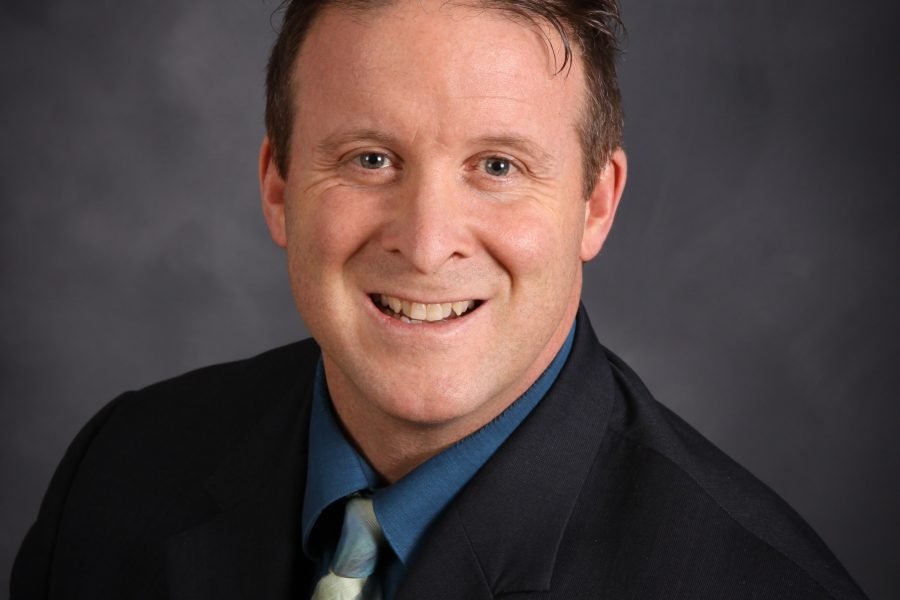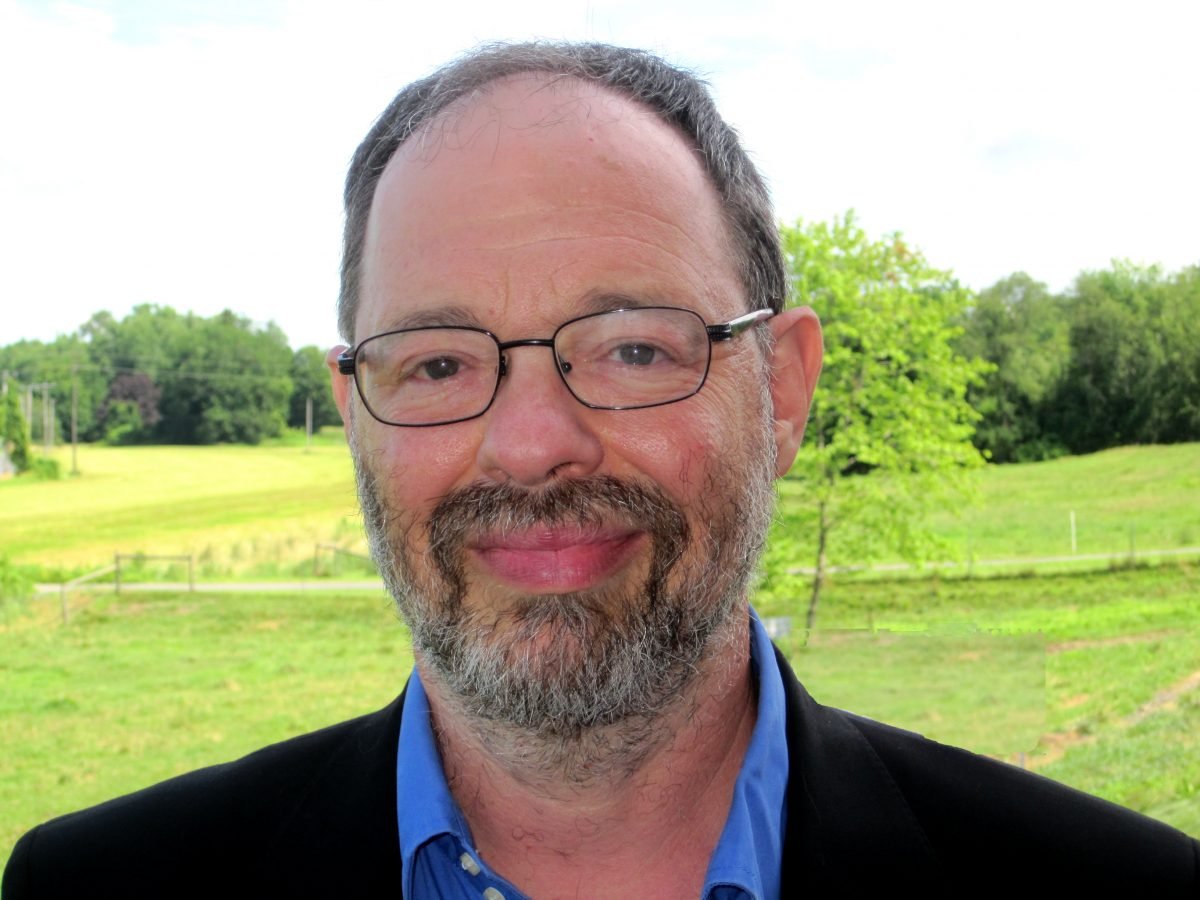
Shel Horowitz is a bestselling author, speaker, and marketing consultant. He is a multiple-award-winning author of marketing books such as Guerrilla Marketing Goes Green and Guerrilla Marketing to Heal the World. As a marketing consultant, his expertise is on the profitability and market of green and social entrepreneurship businesses.
Where did you grow up and what was your childhood like? Did you have any particular experiences/stories that shaped your adult life?
I grew up in the Bronx, New York City. My mom was a civil rights activist, not just going to demonstrations but volunteering as a “tester” to try to rent an apartment after a Black family was told it was already rented. I remember her confronting our own landlord, screaming at him that he just didn’t want to rent to some friend of hers because he was Black. I became an activist at age 12 when I went to my first demonstration against the Vietnam war and one of the speakers said that the war was undeclared. This made me question everything I’d ever heard about checks and balances, how the system worked, etc. A few months later, I attended the first Earth Day and began to pay a lot more attention to the environment. Those things have very much shaped my career as both an activist and a marketer—and for the past two decades, figuring out how to combine those two parts of my life and work.
What is something you wish you would’ve realized earlier in your life?
How much power and synergy there is in combining profitability with environmental and social good. I wonder how much more of an impact it would have had if I’d published Guerrilla Marketing to Heal the World 30 years ago.
What are bad recommendations you hear in your profession or area of expertise?
I am constantly frustrated by the stubborn and false belief that you can either make a profit with your business or use it to make the world better, but not both at once. Actually, all the research I’ve seen (which is a lot) shows that social enterprises, done correctly, can be MORE profitable than businesses focused only on revenue. And if you think about it, that makes sense. Here’s a brief excerpt from Guerrilla Marketing to Heal the World giving eight reasons why:
- Clean-hands companies don’t have to pay expensive lawsuit settlements around pollution, safety violations, or discrimination
- If you tell only the truth, you don’t worry about being caught in an embarrassing and profit-killing lie
- When customers believe that you have their best interests at heart, they come back again and again
- When customers fall in love with the way a company does business, they start recruiting other customers—they actually become that firm’s unpaid sales force, and that leads to greater profits through reduced marketing expenditures (I discuss this in detail later in the book)
- Ethical, eco-friendly companies are much more likely to build a lasting business, and build it more easily
- Joint ventures are much easier to organize because the other partners expect that they’ll be treated ethically and respected for what they bring
- The high value of goodwill will be factored into the sale price if the business is sold
- And the number one reason… You never have to worry about seeing your picture on the front page, in handcuffs <end of book excerpt>
Tell me about one of the darker periods you’ve experienced in life. How you came out of it and what you learned from it?
Coming through a childhood where I found it hard to make friends and even harder to fit in when I entered junior high school (most districts call it middle school now), I tried to conform. I wasn’t any good at it, and instead of having two or three friends that I’d typically been able to make, I had none. So I learned that trying to fit into someone else’s shoebox was not productive, that it made me feel phony and forced, and that it didn’t even bring the result I wanted. I resolved to be my own person, not to care so much what people think—and when I switched to high school in 10th grade, I was able to pursue my own interests AND make more friends than I’d ever experienced before. I am in touch with quite a few of my high school classmates, thanks to Facebook.
What is one thing that you do that you feel has been the biggest contributor to your success so far?
I’m blessed with the ability to see new ways to frame situations, and thus new ways to solve old problems—and also to see when someone else has done this and validate them. This influences how I interpret what I read or listen to, how I approach a consulting assignment, and what I include in my books and my speaking
What is your morning routine?
I usually wake up between 5:45 and 6:15 a.m. Most of the time, without an alarm—sometimes with the “help” of a hungry cat. I get downstairs, start feeding him, check the morning Help a Reporter queries and answer any that are a good fit, read daily newsletters from the New York Times, the Guardian, Seth Godin, and a very smart democracy advocate named Robert Hubbell. Then I go back upstairs and do my first 20 minutes of exercise, on my indoor bike (I get a total of two hours or more daily). Often, I do a first work shift and then I read my local newspaper over breakfast—sometimes I reverse those. From then on, I work in short bursts on and off.
What habit or behavior that you have pursued for a few years has most improved your life?
In March 2018, I expanded my informal gratitude practice to a formal one. Since then, I’ve been chronicling the things in each day that I’m grateful for, in a daily public gratitude journal posted on Facebook. It hit 1,000 since it already happened. I feel this has made me a better person, because I go around looking for (and photographing to help me remember) things to be grateful for. I’ve done this every day, even the days that were really tough, like the day my stepfather was killed by a distracted driver.
What are your strategies for being productive and using your time most efficiently?
I listen to my body. If I feel a case of computer fatigue coming on, I get off the computer. I take a short nap most days. And I always have multiple projects going, so if I run out of steam on something, I can switch to something else.
What book(s) have influenced your life the most? Why?
I read a lot, so it would be a long list. Here are five among hundreds: The Fortune at the Bottom of the Pyramid by C.K. Prahalad and The Business Solution to Poverty by Paul Polak and Mal Warwick show how business can be a force for social good, while also being quite profitable—these influenced me to write my own 10th book, Guerrilla Marketing to Heal the World—and a book proposal I’m currently shopping around, with the working title, Leveraging the Great Pyramid (about the ways the forced pivots around COVID have opened up opportunities for deep, long-lasting social justice and environmental healing). Other books that have influenced me: Cradle to Cradle (McDonough) and Biomimicry (Benyus) show how to think holistically and design using the principles of nature. Cash Copy (Lant) is the first book I encountered (in the 1980s) that focused on customer-centric marketing.
Do you have any quotes you live by or think of often?
“Impossible is just a big word thrown around by small men who find it easier to live in the world they’ve been given than to explore the power they have to change it. Impossible is not a fact. It’s an opinion. Impossible is not a declaration. It’s a dare. Impossible is potential. Impossible is temporary. Impossible is nothing.”—Muhammad Ali This quote struck me so deeply that I built my entire TEDx talk around it.