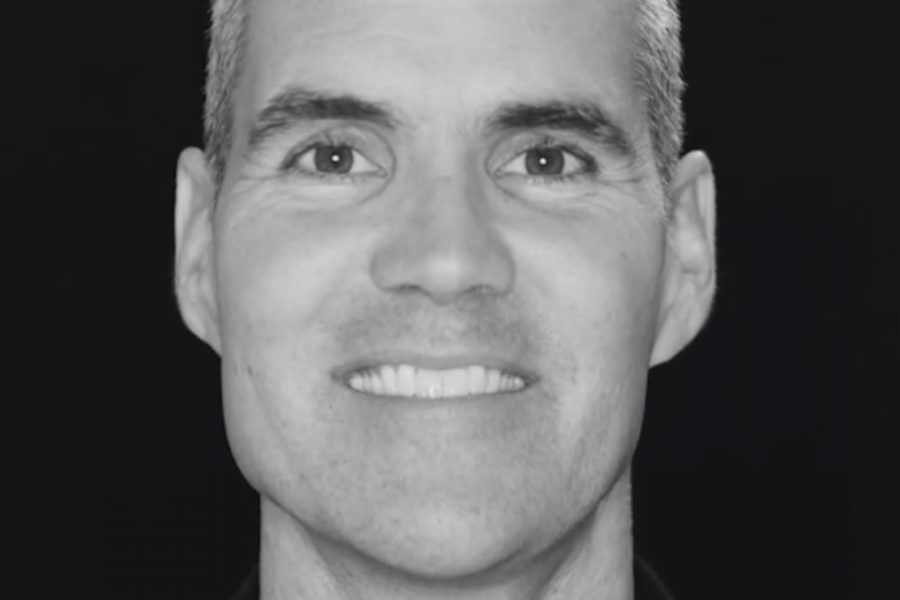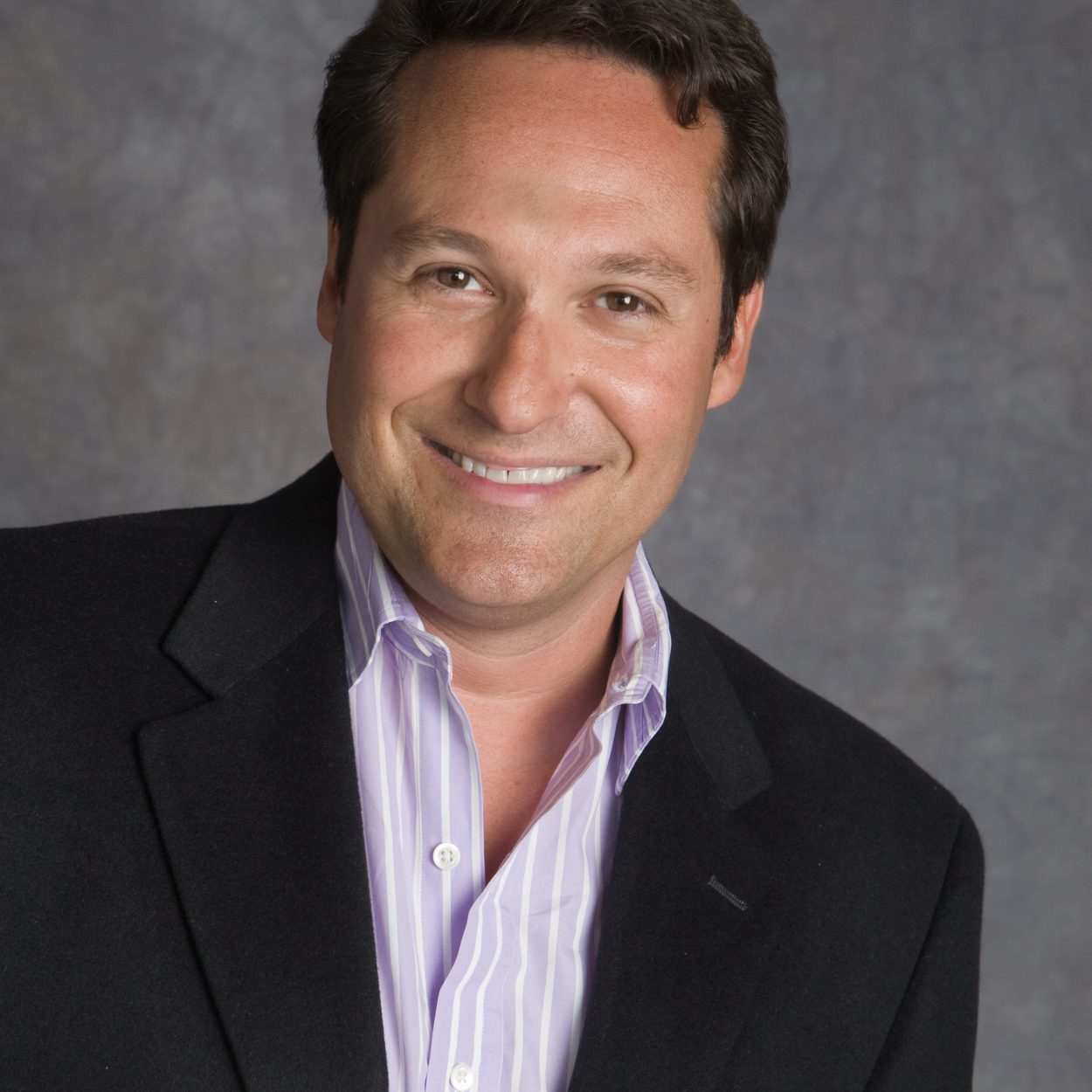
Stephen Shapiro is a Hall of Fame speaker, innovation instigator, author, and advisor. He offers innovation programs to organizations that is designed to help them significantly increase performance through uncovering opportunities. Shapiro is the host of the Invisible Solutions Podcast and the author of the books Best Practices are Stupid and Invisible Solutions.
Where did you grow up and what was your childhood like? Did you have any particular experiences/stories that shaped your adult life?
I was born and raised in a suburb of Boston, MA. I was a nerd – in the math club and marching band. My family was the greatest influencers in my life growing up. Also, my participation in the High School jazz band had a profound impact on me. It created my love of the stage and ultimately led to being a professional speaker.
What is something you wish you would’ve realized earlier in your life?
You can’t predict the future. Flexibility and adaptability are more important than goals and strategies. This is why I wrote a book in 2005 called Goal-Free Living. It wasn’t about abandoning goals. But rather it was about having a sense of direction (not a specific destination) and then meandering with purpose.
What are bad recommendations you hear in your profession or area of expertise?
I always say, “My best advice is to ignore all advice.” Any suggestion or recommendation is not useful in isolation. Context matters. What works for one individual may not work for another. What worked for one company may not be appropriate for a different one. This is why I wrote, Best Practices are Stupid. All advice, out of context, can be bad advice.
Tell me about one of the darker periods you’ve experienced in life. How you came out of it and what you learned from it?
One of my darkest professional periods was 1995. I was leading a group of consultants who helped companies with process efficiency. I realized that when a company optimized their processes, they often downsized their workforce. I saw the negative impact of my work with thousands of lost jobs. During an existential meltdown, I decided I wanted to help companies grow. Instead of eliminating jobs, I wanted to create them. This is when I, with the help of many others, launched an innovation practice that we grew to 20,000 people.
What is one thing that you do that you feel has been the biggest contributor to your success so far?
I feel that my ability to blend creativity with adaptability has been critical. When the world changes, I typically can adapt quickly. From a work perspective, I enjoy trying new things, especially technology. When all work went online, I was able to adopt and adapt a variety of new technologies that enabled me to take my business to the next level.
What is your morning routine?
Unless I have calls, meetings, or speeches, I don’t have a morning routine. I value my sleep, so I tend to let my body wake up whenever it wants. Some mornings I will go to the hot tub to start the day. Most days I’ll have an espresso and light breakfast. But routine is not the word I would use for any of my days,
What habit or behavior that you have pursued for a few years has most improved your life
I’m not sure there is any particular habit or behavior that I have adopted. In fact, I would argue that my most valuable behavior has been to try different behaviors. One thing that I have found helpful is eliminating New Year’s Resolutions. I stopped doing them a long time ago and replaced them with a one-word theme. This has been very effective as it gives me more flexibility.
What are your strategies for being productive and using your time most efficiently?
I find that know which problems to solve is critical. As Peter Drucker once said, “There is nothing so useless as doing efficiently that which should not be done at all.” Therefore, I would rather spend my time figuring out what creates value and then tackle those tasks. It’s not about time management.
What book(s) have influenced your life the most? Why?
Two books have influenced me. Man’s Search for Meaning by Viktor Frankl forced me to look at the world through the lens of purpose and impact. What’s the meaning of my life? What I like is that we can choose any meaning we want.
The other book was Surely You’re Joking, Mr. Feynman! by Richard Feynman. The book was entertaining yet inspirational and educational. He is one of the most brilliant and creative individuals, and reading about his various endeavors led me to be more adventurous as a means of learning.
Do you have any quotes you live by or think of often?
A quote that is attributed to Einstein: “If I had an hour to save the world, I would spend 59 minutes defining the problem and one minute finding solutions.” This perspective has influenced all of the work I do professionally.