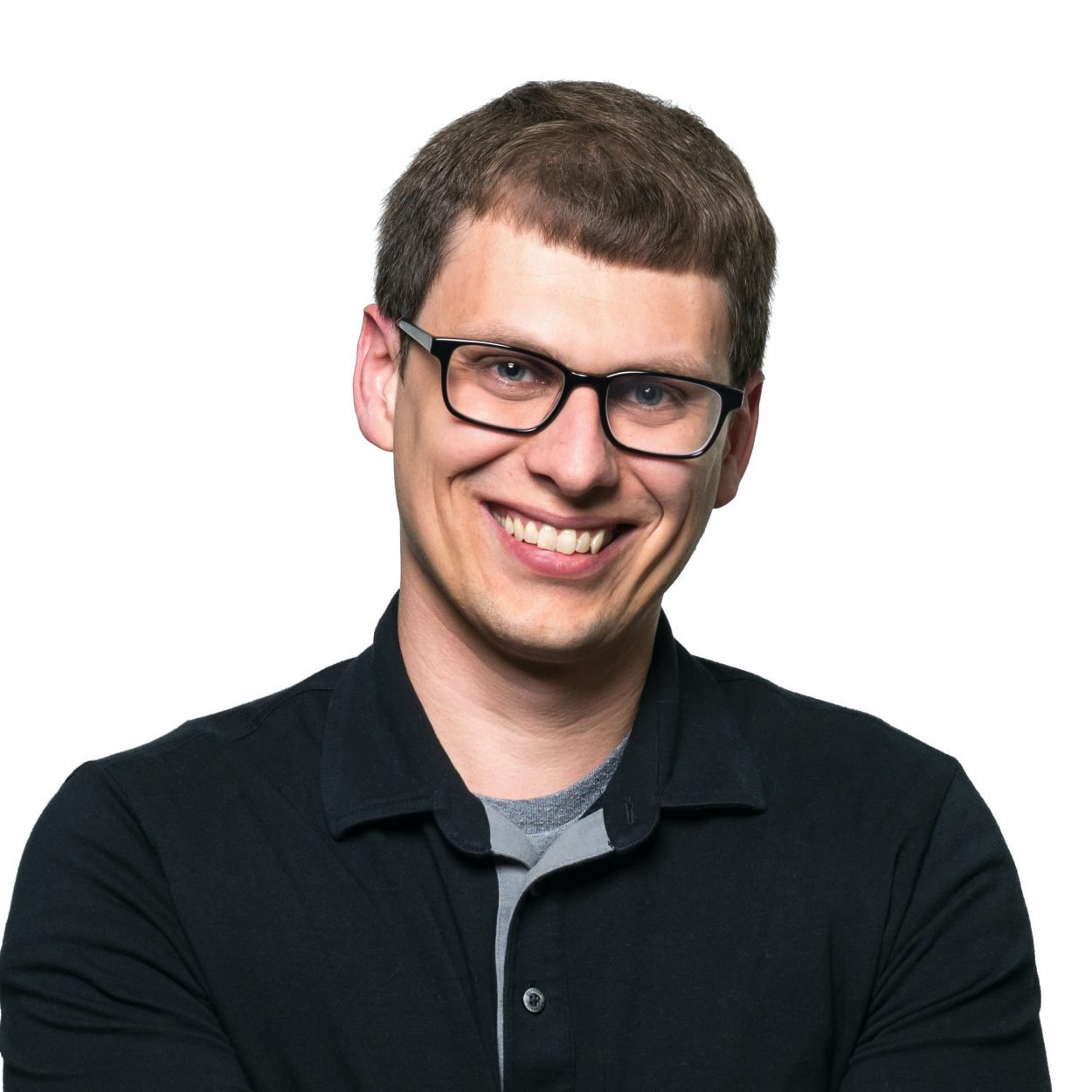
Mike Schmitz currently works as the Executive Editor at The Sweet Setup and the co-host at Focused, Bookworm, and The Intentional Family podcasts. He is a productivity nerd who loves reading books and enjoys making things. Schmitz life’s mission to help people make the most of their time, attention, energy, and focus so that they can take massive action on their goals and create the future they’ve always dreamed of.
Where did you grow up and what was your childhood like? Did you have any particular experiences/stories that shaped your adult life?
I grew up in a small town in northeast Wisconsin. My dad owned a software business that he ran out of an old farmhouse when I was young, so I grew up around computers and quickly developed an affinity for them. I started coding websites by hand when I was 12, and have been using computers to make things ever since.
I went to a small private college and returned to work in the family business afterward, so it wasn’t until I was in my 30s that I got involved with a lot of the projects online that now make up my working life as a writer and podcaster. If I were, to sum up, the moral of my story, it would be that you’re never too old to connect to your calling, discover your destiny, and live the life you were created for.
What is something you wish you would’ve realized earlier in your life?
A lot of well-meaning people in your life will give you what sounds like great advice. But you have to find your own path. What was right for them is not necessarily right for you. Have the courage to try things that don’t make sense. Be willing to bet on yourself, to see what you are really capable of.
You might just surprise yourself.
What are bad recommendations you hear in your profession or area of expertise?
There’s a lot of talk in the productivity space about goal setting, which I honestly can’t stand. Personally, I think goals are dumb. Every team at every level every year has a goal to win the championship, but only one of them does. Which means the goal itself is not enough to help you be successful. I believe the real key to success is habits. If you show up every day and do the right things, the score will take care of itself.
Another thing that drives me crazy is the focus on efficiency. Efficiency is good, but what I see happen a lot is that people use efficiency as a mechanism for simply cramming one more thing into their already full schedules. Do this enough, and eventually, the dam will break. If you really want to lead a life worth living, you have to choose to be effective, not just efficient. Make “no” the default. Be more concerned about doing the right things than doing things right. The right things done poorly will get you much further than the wrong things done well.
Tell me about one of the darker periods you’ve experienced in life. How you came out of it and what you learned from it?
A few years ago I was working for a time management and productivity training company and was let go for financial reasons. Needless to say, it was quite a shock to me. I felt like the rug had been ripped out from under me, and it took me several months to find my feet again. I have a wife and 5 kids at home and am the primary breadwinner, so I felt a lot of stress to figure things out quickly. When it took longer than expected, I started to feel very depressed.
Winston Churchill once said, “If you’re going through hell, keep going.” Don’t stop and set up shop in the valley of despair. And that’s ultimately what got me through – continuing to show up every day. Even when I didn’t feel like it, I continued to create. I trusted the process, even when I couldn’t see the path forward. As I did, I figured out what the next step was. I never saw the whole picture, but as long as I kept going I could figure out what to do next.
And that’s still true today.
What is one thing that you do that you feel has been the biggest contributor to your success so far?
I believe a big part of what has gotten me to where I am today is the podcasts that I do (I currently have 3: Bookworm, Focused, and The Intentional Family). Podcasting is something I never really wanted to do and kind of fell into it by accident (I took over as the host of a show when the previous host left). But I also really enjoy it. I love how personal podcasts are, how they make you feel like you have a seat at the table. In my opinion, the personal nature of the podcast medium combined with how open and honest I try to be on them make it the perfect medium for connecting with the people that I want to serve.
What is your morning routine?
I typically wake up about 6:30 am and immediately drink 20 ounces of water to get my body going. Then I spend roughly 30 minutes praying and reading my Bible before heading down to my office to start writing. I write for about an hour, then come back upstairs to stretch and take a shower. After getting dressed, I make some coffee and head back down to my office as I jump into my normal workday. I time block my day in my fancy notebook the night before, so I have my daily plan and a list of up to 5 tasks (never more than 5) that I want to get done that day.
What habit or behavior that you have pursued for a few years has most improved your life?
My life is a collection of what I consider to be important habits, but the one that has had the biggest impact is establishing a regular writing routine. When I was working full-time with a family at home, it was the habit of writing for an hour before heading to the office that allowed me to self-publish my first book. That has opened up a lot of doors professionally for me over the years, and writing continues to be at the heart of almost everything I do. For anyone who considers themselves creative, I honestly believe the establishment of a regular writing habit is the single biggest success lever you can pull.
What are your strategies for being productive and using your time most efficiently?
The thing that has helped the most has been time blocking my day. Every day, I plan my day in at least one hour blocks from the beginning of my day (7 am) until the end (9 pm). I do this the night before, and it allows me to hit the ground running when I start my day. It doesn’t take that long (5-10 minutes at most), and it gives me clarity and confidence as I go through my day that what I’m currently doing is the best use of my time.
I’m also a big believer in inhabits. It’s the little things you do consistently that add up to the substantial results over time. Some of my daily habits include journaling, expressing gratitude, and practicing Spanish. Anything that is important to you is worth breaking down into tiny actions that you repeat every day.
The last piece of advice I would give is to say “no” more often. It’s easy to convince yourself that saying “yes” to something is easier, but it almost never is. Space on your calendar is not an invitation to find something else to do. Protect your time by only saying “yes” to the things that truly essential. You need to work to maintain margin, but it’s critical because that’s where the magic happens. It’s amazing what your brain can come up with when you just give it time to think.
What book(s) have influenced your life the most? Why?
I read a book every two weeks for the Bookworm podcast, and there are a lot of good ones that come to mind. But Man’s Search for Meaning by Victor Frankl stands alone at the top. It’s very different from the business and self-help books we typically read, but I believe it is a very important book for providing perspective. It details the author’s experience in a Nazi concentration camp and teaches the power of attitude in overcoming difficult circumstances. This book shook me to my core and helped me through a difficult time in my own life. It’s not an easy read, but it’s a book I believe everyone should read at some point in their lives.
The second book I would whole-heartedly recommend to anyone is Mindset by Carol Dweck. This was one of those tipping point type books for me. Once the light bulb goes on regarding the growth mindset, your life will never be the same.
Do you have any quotes you live by or think of often?
There’s a couple. First, “Plans are worthless, but planning is everything” by Dwight Eisenhower. To me, the real value in creating a plan is not so you can follow it exactly, but the intentionality that comes from the formation of the plan. For example, I time block my day, every day, and give every hour a job. If I was hung up on executing that plan perfectly every day, I would be stressed all the time because my day never goes according to plan. But I’ve found that time blocking allows me to approach every hour without having to figure out what the best thing to do is. The fact that the plan gets messed up is fine because the intention that comes with creating it helps me to roll with the punches.
The other quote I really love is actually a couple of questions I picked up from Jim Rohn:
- Who are you allowing to speak into your life?
- What effect are they having on you?
- Is that ok?
I believe who you surround yourself with is very important. I extend this to people that I follow on Twitter and podcasts that I listen to as well. Attention is sacred, so I do my best to curate the people and voices I give it to.