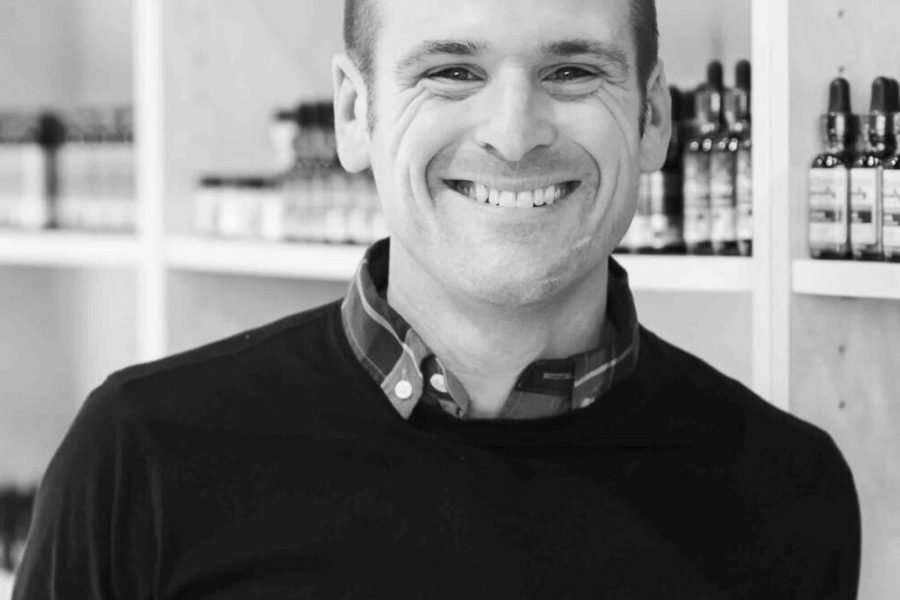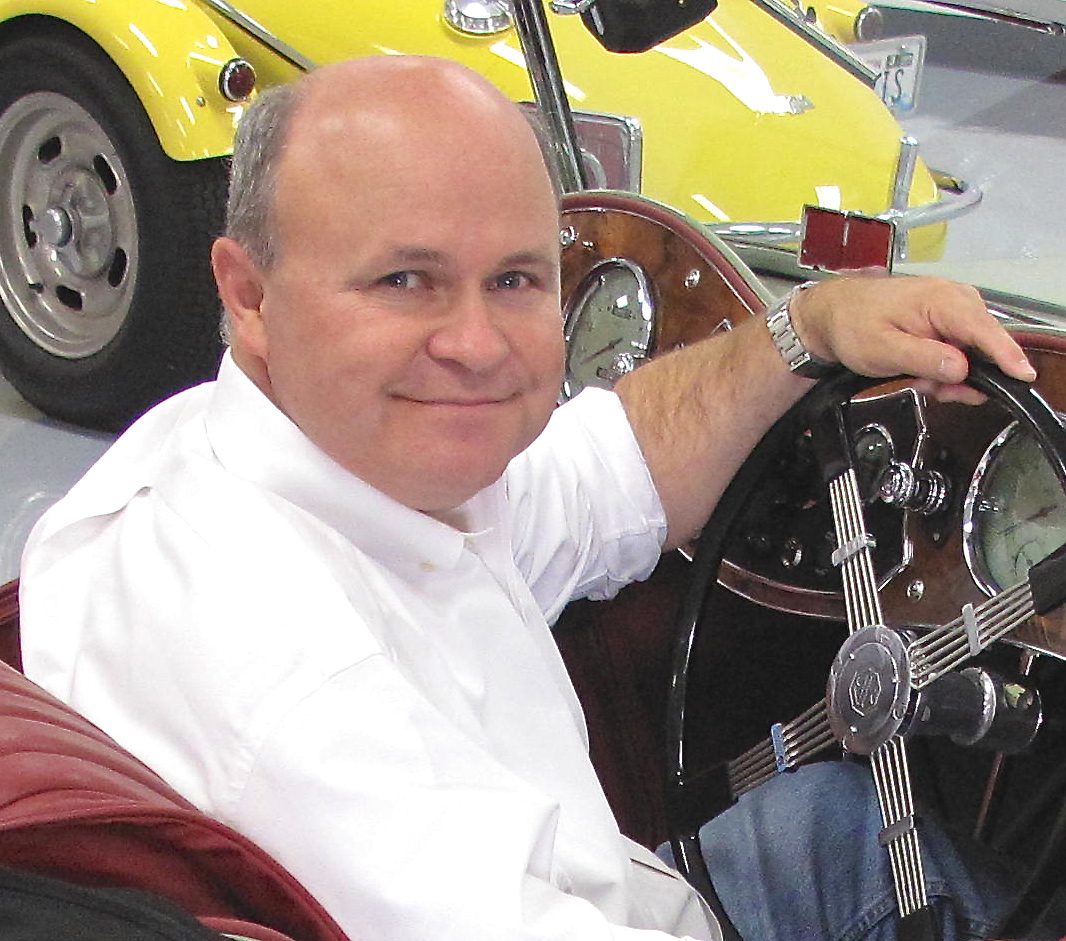
Mark Greene is the founder, producer, and host of the Cars Yeah podcast and website. He is an incurable automotive enthusiast interviewing successful automotive entrepreneurs who live a lifestyle around their passion for automobiles. Mark features the world’s most successful automotive entrepreneurs, artists, celebrities, journalists, authors, concours directors, racers, designers, and many others on his show.
Where did you grow up and what was your childhood like? Did you have any particular experiences/stories that shaped your adult life?
I grew up in La Jolla California, just north of San Diego. Mine was a wonderful childhood with many days on the beach and in the ocean diving, swimming, body surfing, and board surfing. Back when Southern California was uncrowded and peaceful. I surfed and there was a big car culture, which along with surfing and sports, was my passion. I built model cars, had a paper route, that taught me a lot about responsibility. When you have to get up at 4:30 am every morning and ride a bike around delivering papers, and then collect the bills every month, you learn a lot about managing time, money, and communications. My father had his own architectural firm and was always exposing me to design, art, museums, and building design. Dad grew up on a farm in Texas and was never afraid of hard work and that work ethic he handed down to me. He taught me how to really ‘see’ things and understand good design and detail. I started my own car detailing business when I was in Junior High School and that paid for new surfboards and allowed me to buy my first cars, one of which was a 1967 Karmann Ghia. Living where people had nice cars I always had plenty of business and that business paid for my college education and helped me save for my first home after getting married.
What is something you wish you would’ve realized earlier in your life?
I would have invested more time into learning about investing and money management. I would have started saving much earlier to set myself up better for the future, and to allow for financial freedom earlier in life. I would have also started my own company much earlier rather than spending so many years working so many hours to help build other’s businesses. I would have spent more time traveling with my family vs working so much. Sharing experiences with them vs spending time working to earn more so they could have the material things I thought were important.
What are bad recommendations you hear in your profession or area of expertise?
When it comes to purchasing older vehicles, don’t buy one based on what you think it will be worth in the future. Buy it because you love it. The collector car market has been good to me and I have always made money with old cars, not by design though. It was because I did what so many of my podcast guests have shared, I purchased vehicles that I loved. Too many collectors buy a vehicle hoping it will go up in value only to learn that when the market dives, they are stuck with a vehicle they don’t care much about. If your collector vehicle’s value goes down, but you love the car, at least you have something you enjoy. You can keep it longer until the market changes, and you won’t look at it as a poor investment or with disdain. Another important factor when it comes to collecting old cars is driving many of the same models you like. They are all different. Finally, you can never overpay when you buy the best that you can afford, and never buy anything you cannot afford.
Tell me about one of the darker periods you’ve experienced in life. How you came out of it and what you learned from it?
Being cheated and duped by people that I trusted. On several occasions, people I have worked with took advantage of my friendship, my openness, my honesty, and trust. As a result, they took advantage of me financially. In hindsight, I suspected they were up to something before the deeds were done, but I ignored the warning signs, finding it hard to believe they would behave this way. The most important lesson is; when you begin sensing something in a relationship is wrong, you are right, and you need to address it immediately and protect yourself. It is one thing to know something isn’t right. It is quite another thing to do something about it. No matter how painful. It is difficult to not become cynical when this happens so you must discover what the lesson learned was and strive not to repeat it. At least with each occasion, I stopped it earlier and earlier before too much damage was done. Surround yourself with the best people you can and remove from your life those who are not challenging you and are not always open and honest with you.
What is one thing that you do that you feel has been the biggest contributor to your success so far?
A willingness to work hard, focus on the details and believe in what you are doing. To do what makes you happy, what you are passionate about, and to find a way that the work you are doing is helping others without expecting anything in return. Having gratitude for the things you have vs focusing on what you don’t.
What is your morning routine?
I get up at 6:00 am and sleep into 6:30 am on the weekends. I drink about 16 ounces of water first thing and then pour a cup of coffee. I send that day’s guest an email with links to their show, post the shows to social media, and then review a Goals list that I had made up at the end of the prior day, a list of what I need to accomplish that day. I drink a protein shake at 8:00 am, take a vitamin regime, and eat a cup of berries, blueberry, or raspberry fruit.
Given I produce and host 5 podcasts a week, part of my morning, if I’m not recording shows, is spent reaching out to potential guests and sponsors. At 11:00 I take an hour break and either go for a walk or work out in my home, shower, and then back to work.
What habit or behavior that you have pursued for a few years has most improved your life?
I got serious about losing weight last year. I got on a program that I continue to this day called Isagenix. I cut a lot of carbs and sugar out of my diet. Focused on daily exercise routines, and as a result, lost 35 pounds. I feel and look much better.
What are your strategies for being productive and using your time most efficiently?
Discipline. Batching tasks. Not multi-tasking. Staying focused on one project until it is completed. Learning to say ‘no’ to people who want my time that I’m not interested in. Time is our most valuable asset and wasting it is horrible shame.
What book(s) have influenced your life the most? Why?
Michael Gerber’s The E-Myth: Why Most Small Businesses Fail and What To Do About It. His is a book I read early in my previous career where we were building a business from scratch. It helped us figure out how to create a business that can run without the founders and it shows how to create competitive systems for your company. Personally, it taught me to look at business in a completely different way. I’ve given away many copies of that book.
The book Good To Great by Jim Collins proved to be very helpful as well. It really helped us see how to grow the company correctly. Collins outlines that organizations will more likely succeed if they can identify the one thing that they do the best, what he calls their “Hedgehog Concept”.
Healing Back Pain: The Mind Body Connection by John E. Sarno MD was a lifesaver for me. He teaches how to cure back pain that is caused by TMS, (Tension Myoneural Syndrome) and he reveals how stress and other psychological factors can cause back pain and how to eliminate it. I dealt with chronic back pain for years, saw many doctors, and had no relief. Sarno’s book resolved my pain and continues to help me today when I am feeling stress. On my Cars Yeah podcast, I ask my guests to recommend a book and there are now over 1,800 spectacular books listed on my website.
Do you have any quotes you live by or think of often?
Yes. The late Formula One Champion Ayrton Senna had a quote the reads: “The past is just data. I only see the future.” His words stand out for me, so much so, that I have them printed on my business cards. So often we dwell far too much on the past and allow it to dictate our lives. Often the past limits our abilities and beliefs to do more than we ever dared think of doing. There is a great analogy to his quote and how it relates to racing, and in our lives. Racecar drivers focus on the now. They must in order to not be distracted while on the track. Distractions can lead to crashes or worse, death. They also are always looking far ahead of where they are. They are looking at where they want to go. That look ahead thinking works well in life. We should always be mindful of the present but looking ahead at our improvement to move forward. To be better and to do more with our lives. That’s why the windshield is larger than the rearview mirror. What’s ahead is far more important than what’s behind. I raced vintage cars for 10+ years and Senna’s quote works on the track and in everyday life.