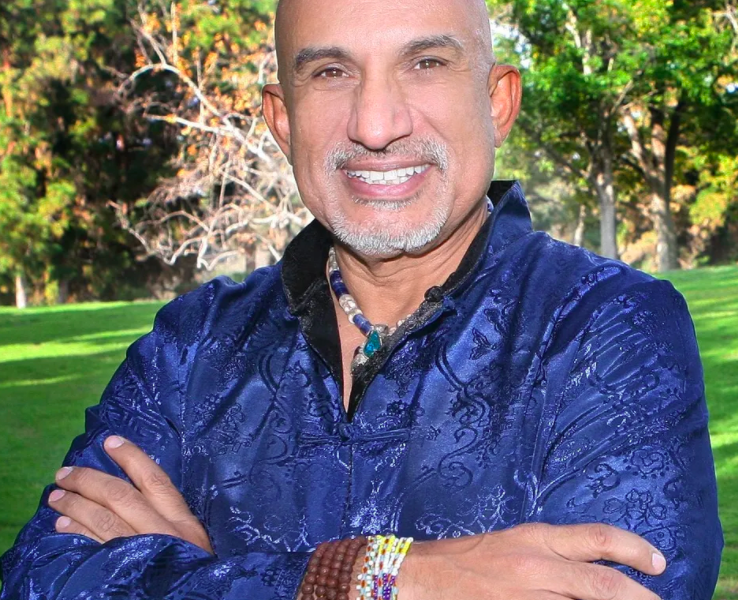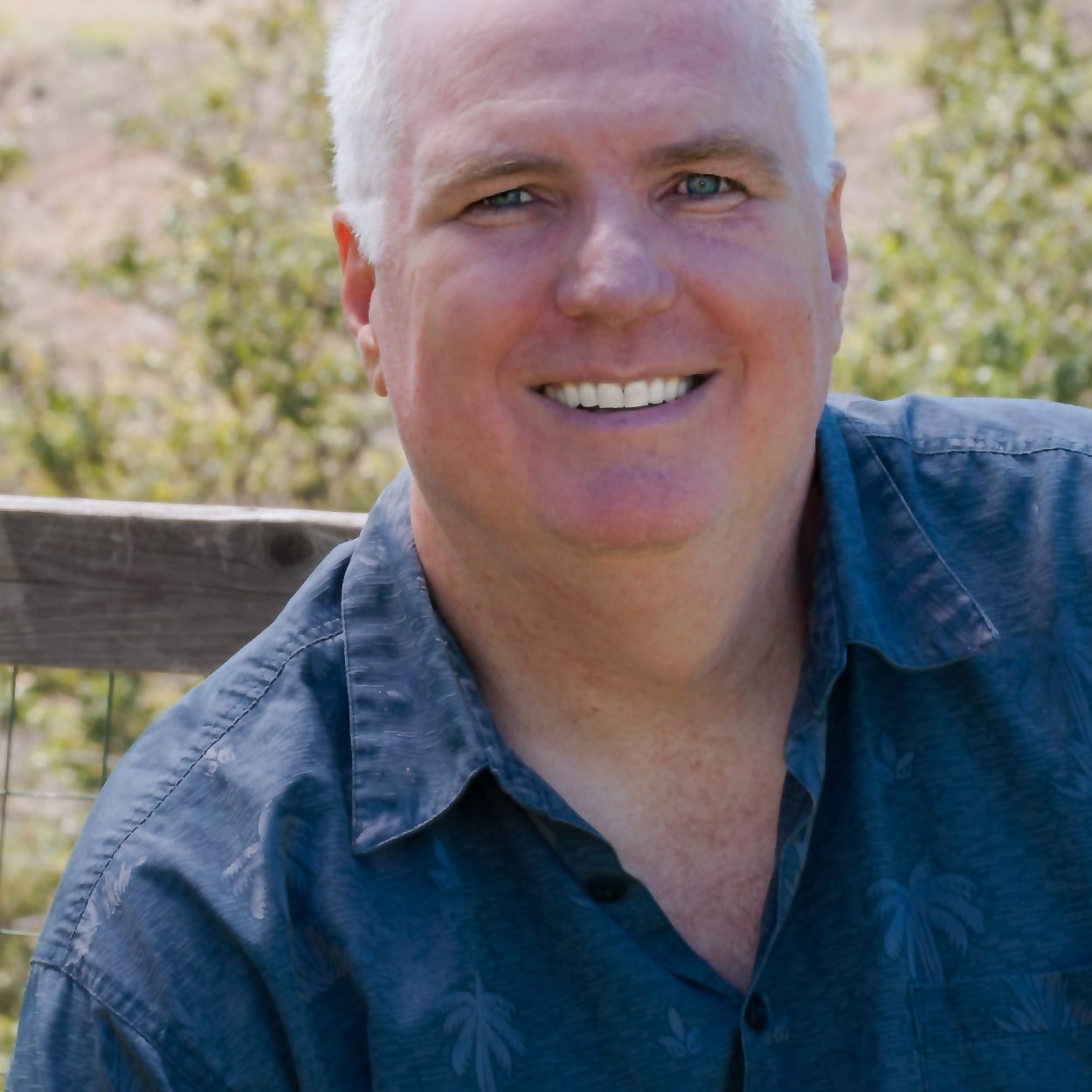
David Putnam is a bestselling critically acclaimed author and retired law enforcement officer. He has over 30 years of experience in law enforcement where he was trained by the FBI and Secret Service in Executive Protection and Defensive Driving. Putnam now spends most of his time writing crime fiction, thriller, and mystery novels and was particularly famous for writing the Bruno Johnson series.
Where did you grow up and what was your childhood like? Did you have any particular experiences/stories that shaped your adult life?
I grew up in a small town in Southern California. My mother was a wonderful woman very artistic as well as my father. My father built a volcano in our front yard out of chicken wire and concrete, he painted it with florescent paint and planted shrubs around it. On the one side away from the street was the barbeque. He also built a six-foot native with a spear and put tiki masks on the side of the garage. When he cooked in the barbeque smoke came out of the volcano. The scene caused so many car accidents from cars driving by that the city made my mother take it all down.
My aunt and my cousin hired a hit man and they murdered my favorite uncle for the life insurance money.
There are many more stories like these, I had a very colorful childhood and loved every minute of it. I put a lot of these stories in my books. The author’s note at the end of the books explain what is real.
What is something you wish you would’ve realized earlier in your life?
Nothing really, don’t know if I’d have done anything different, other than maybe buying Amazon stock when it first came out.
Tell me about one of the darker periods you’ve experienced in life. How you came out of it and what you learned from it?
There are many of these, too many, most of them deal with the death of children that I don’t want to dredge up again. Major car accidents, carnage, murders, multiple murders, senseless death. You can’t get much darker then that. What I learned is that once you believe mankind can sink any lower there are two more floors below that, maybe more, maybe infinite floors. Six percent of the population needs to be segregated from the good people and we don’t do a good enough job protecting the children.
What is one thing that you do that you feel has been the biggest contributor to your success so far?
Never stopped writing, write every day, a thousand words a day. I was on my 38th manuscript before I finally sold one. In one-word Perseverance.
What is your morning routine?
It has changed since Covid but for twenty years, I’d go to bed at eight pm and get up at four. I’d write for three hours and then go to work. I’d take notes throughout the day, so I could start writing the next day. I force myself to write at least a thousand words a day and read a hundred pages of novel.
What habit or behavior that you have pursued for a few years has most improved your life?
Not selling enough books. Not writing enough, not reading enough—there’s never enough time. I have six thousand books on my to-be-read pile.
What are your strategies for being productive and using your time most efficiently?
I write by the numbers and if something is wrong I back check my numbers and it always works out for me. Four C’s of the story arc, three components of voice, the five things a scene needs to work, Motivation, action, reaction, cadence, scene sequencing, and braiding the two plots and the theme. I put on a how to write a novel class and teach all of these methods and more.
What book(s) have influenced your life the most? Why?
I have been an avid reader all my life. I read everything that is well-written, all genres and literary fiction. Many authors have had a great influence on my writing: Raymond Chandler, James Lee Burke, Cormac McCarthy, Nelson Demille, Mitchner, Herman Wouk, and many others. I loved their prose, the characters, and structure—everything about their writing.
Do you have any quotes you live by or think of often?
By poems by Edgar Allan Poe, Robert Frost. One, I don’t know who made the quote; Life is tough, when your stupid it’s tougher.